
Notable Illustrators:
Whitman Tell-A-Tale and Junior Elf illustrators
Adrienne Adams
Elizabeth Orton Jones
Art Seiden
Cross line or high demand illustrators
Disney studio artists
Tasha Tudor
In the 1940s and 1950s, children’s picture books were transformed from specialty items into everyday household staples.
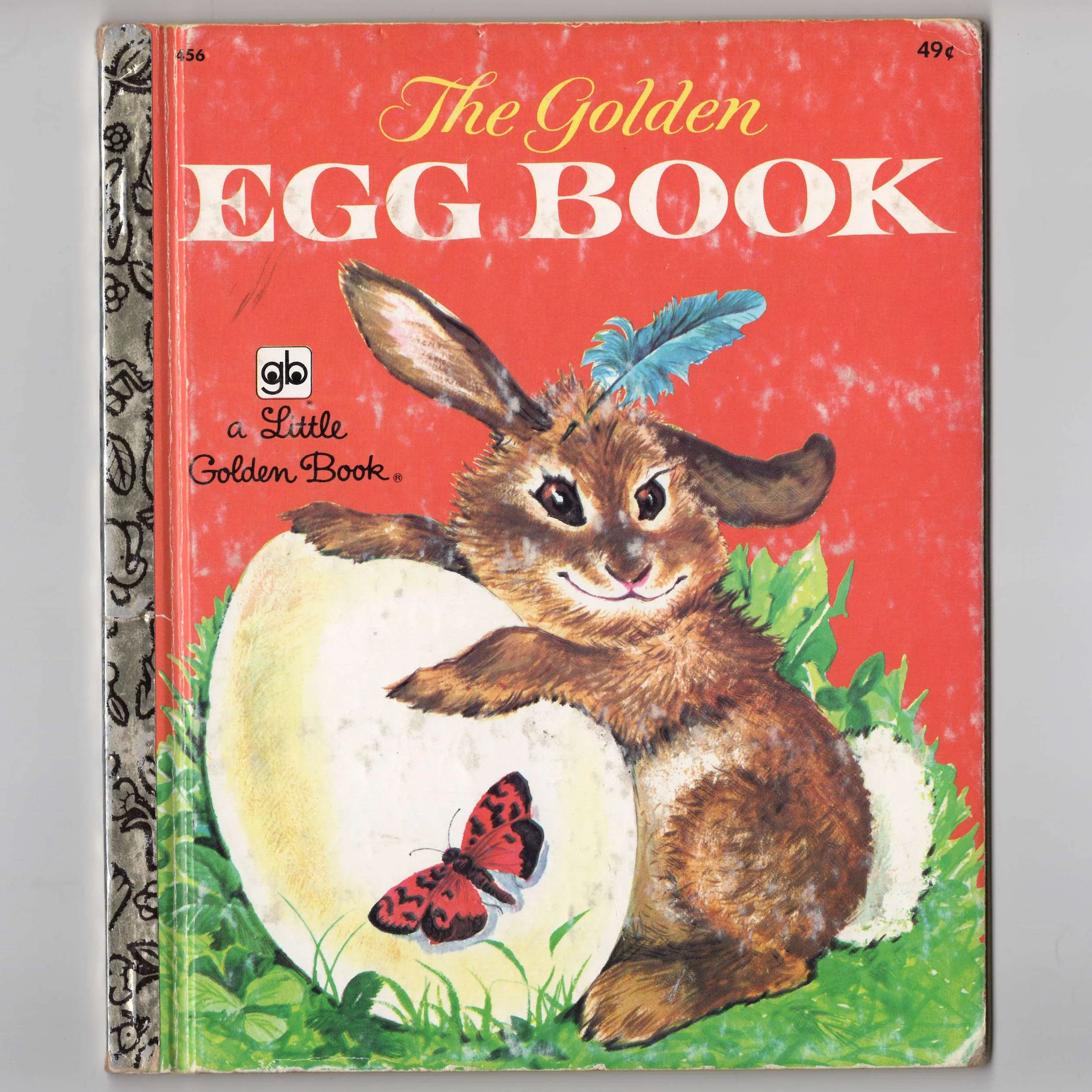
Little Golden Books launched in 1942 through a partnership between Simon and Schuster and Western Publishing, with an unprecedented price of just 25 cents. At the same time, advances in color printing during the 1940s lowered production costs, making bright illustrated books affordable for mass distribution. After World War II, the baby boom created enormous demand for low cost children’s books, and supermarkets, department stores, and drugstores became major new retail outlets for them.
-
Three Little Kittens by Masha
Bedtime Stories by Gustaf Tenggren
Eloise Wilkin’s Mother Goose by Eloise Wilkin
Prayers for Little Children by Eloise Wilkin
The Little Red Hen by Evelyn M. Begley
Nursery Songs by Leah Gale
The Alphabet from A to Z by Leah Gale
The Poky Little Puppy by Janette Sebring Lowrey
The Animals of Farmer Jones by Leah Gale
This Little Piggy and Other Counting Rhymes by Phyllis Fraser
-
The Poky Little Puppy (1942)
Mister Dog: The Dog Who Belonged to Himself (1952)
The Saggy Baggy Elephant (1947)
The Monster at the End of this Book (1971)
Tootle (1945)
Scuffy the Tugboat (1955)
The Color Kittens (1949)
The Little Red Caboose (1953)
Madeline (1954)
Vintage Children’s Books
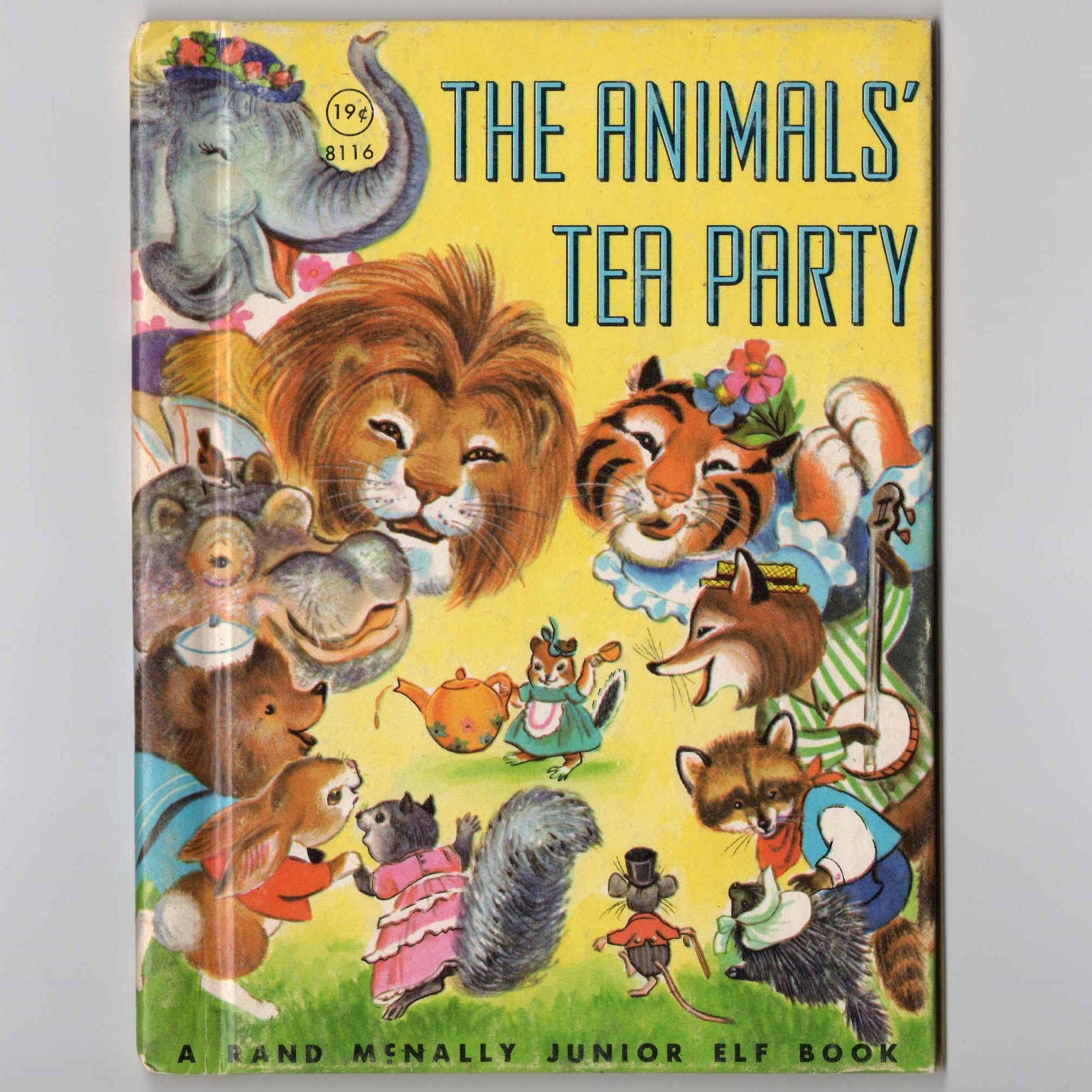
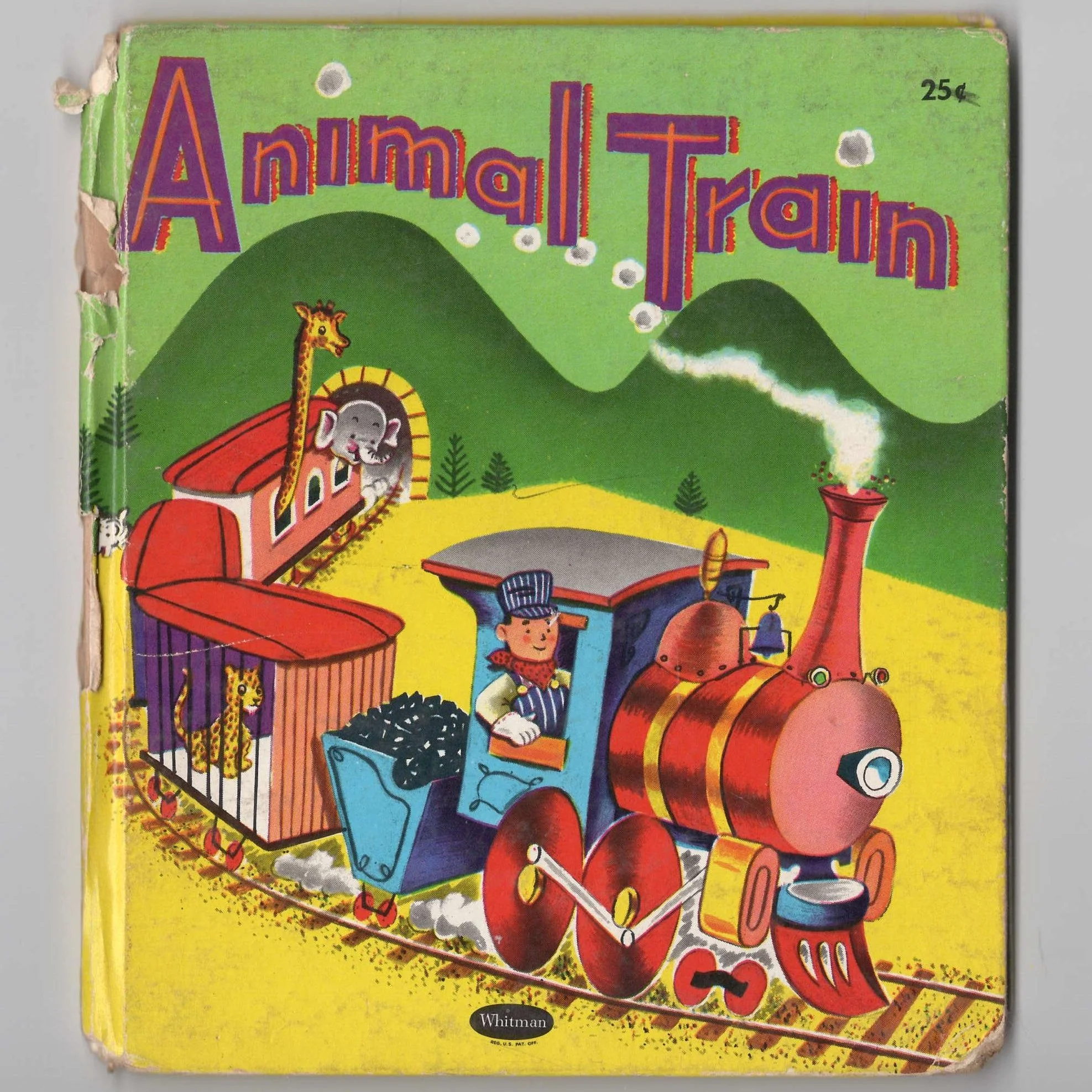
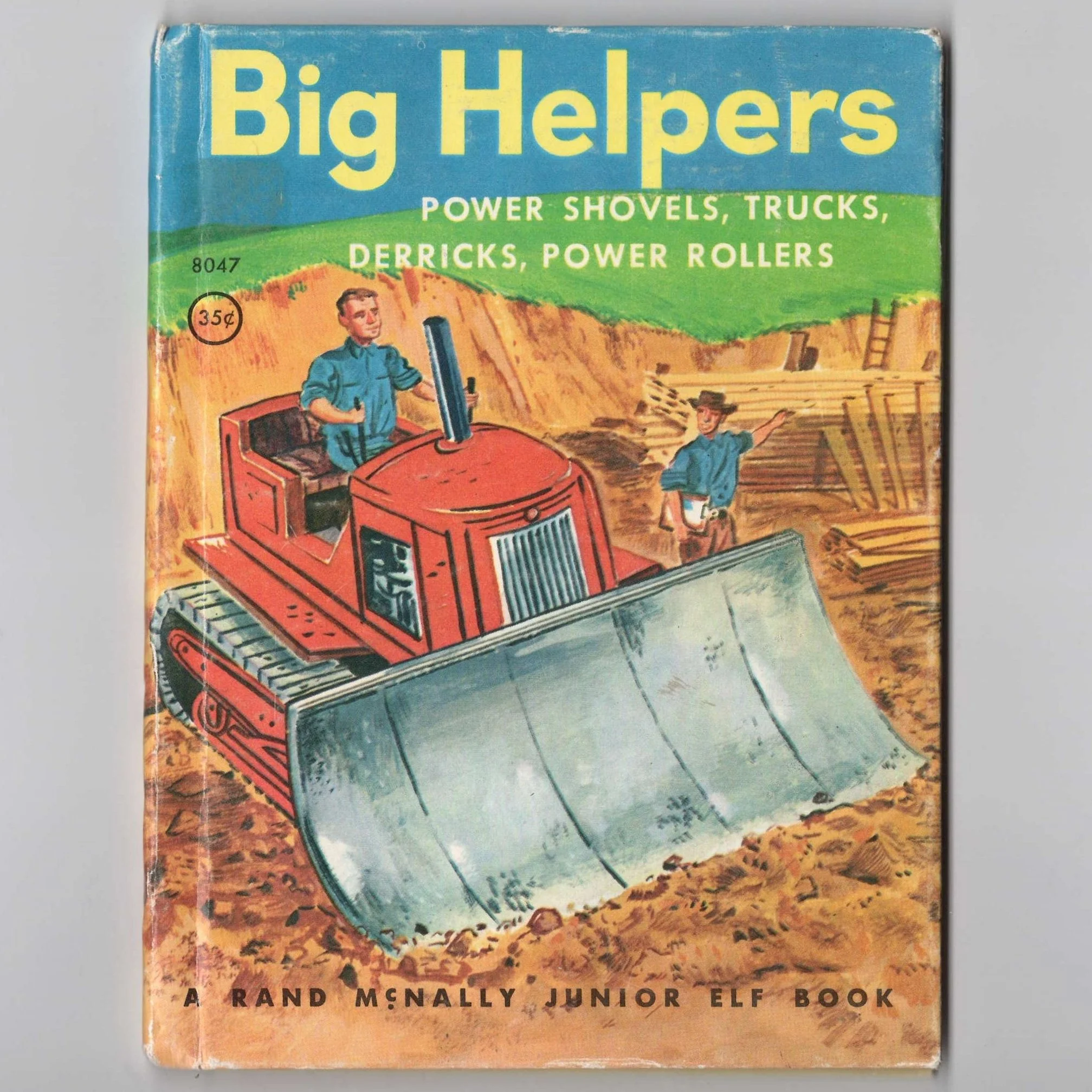
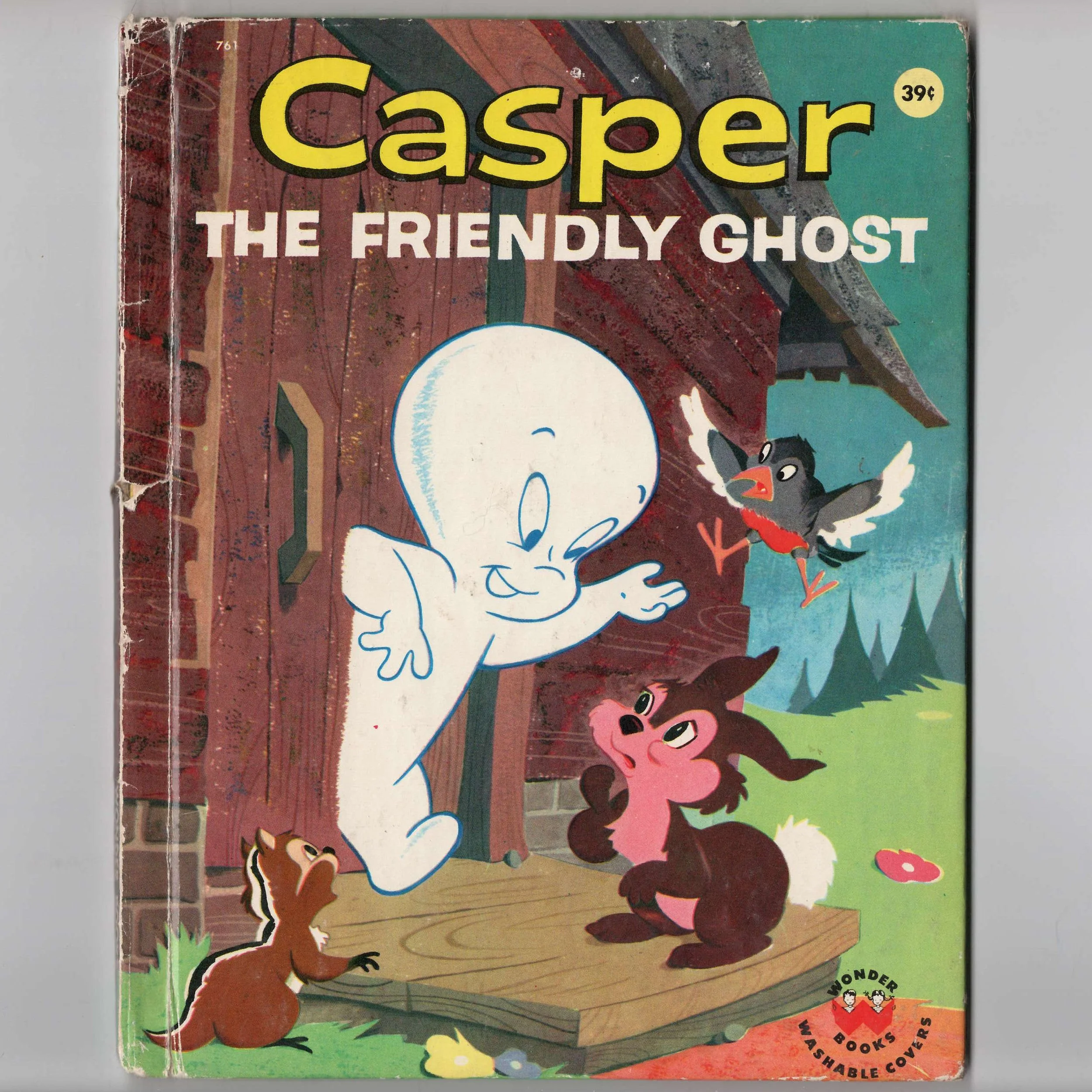
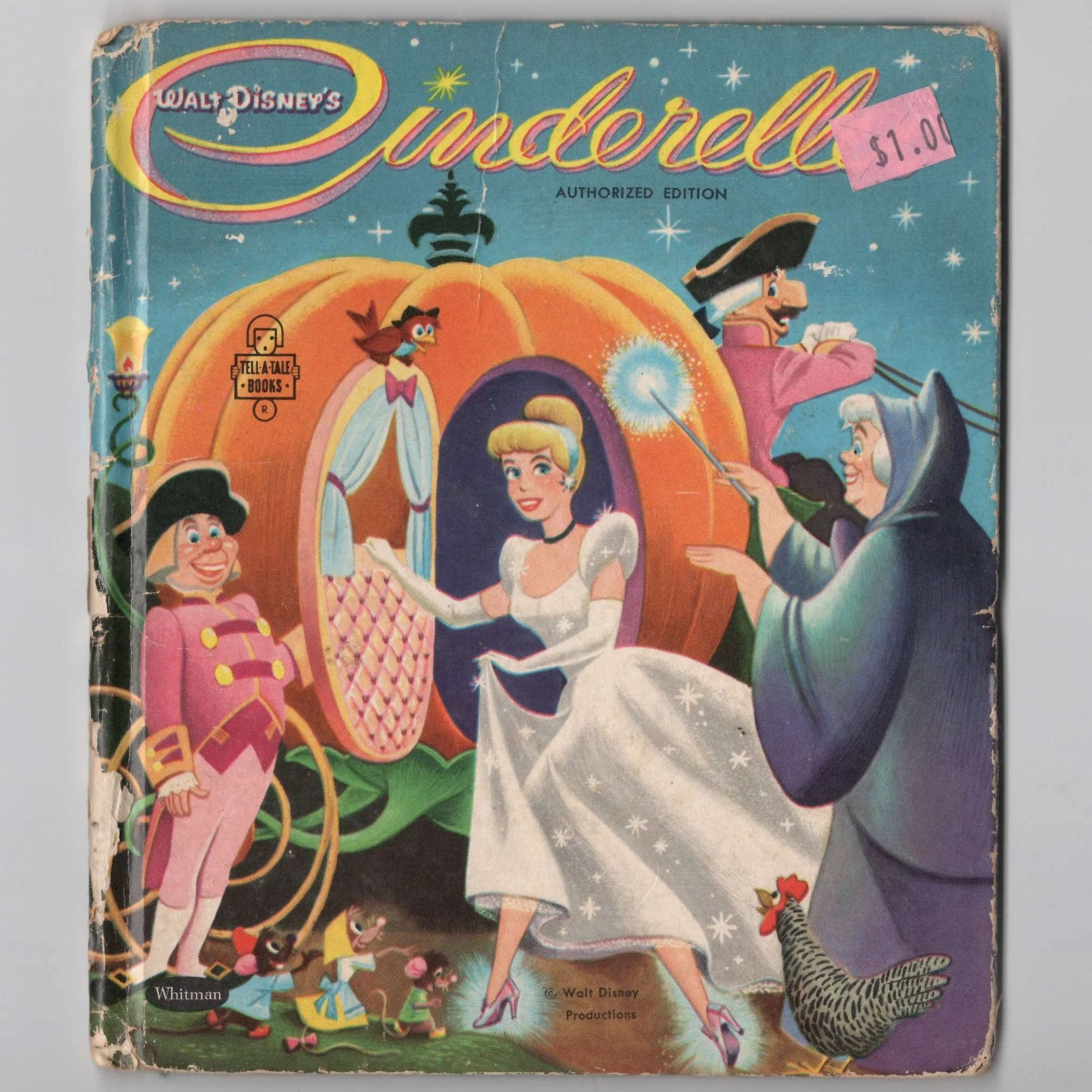
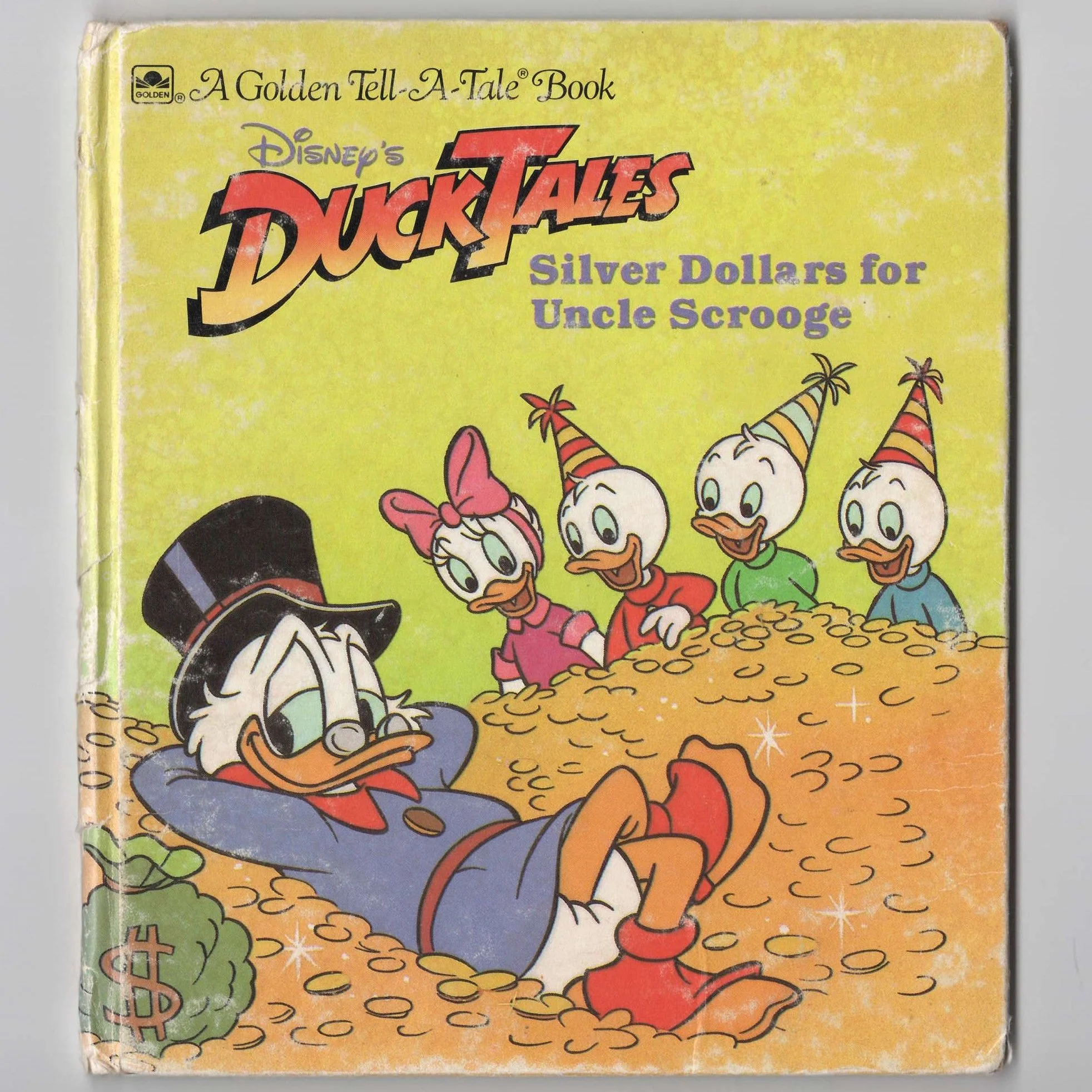
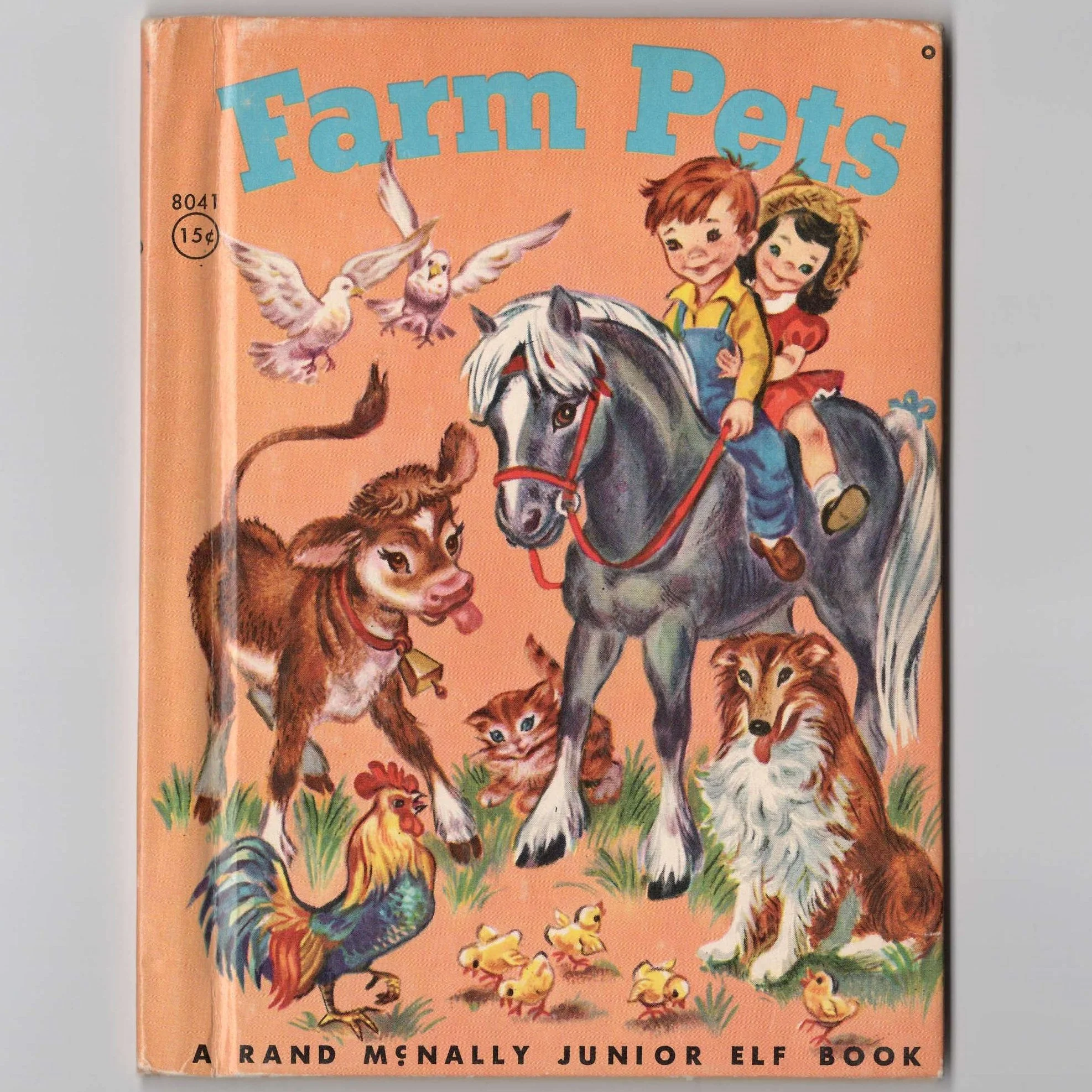
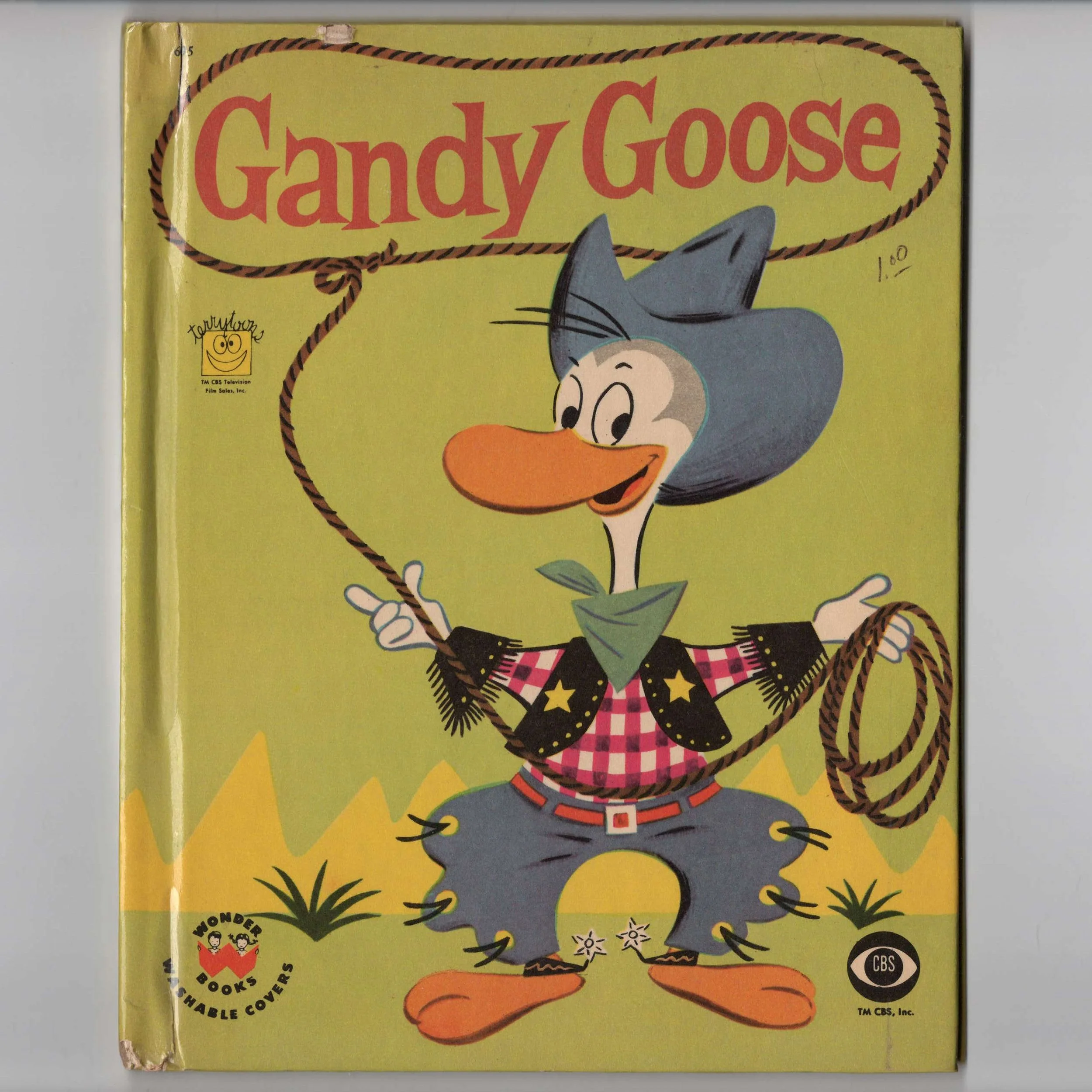
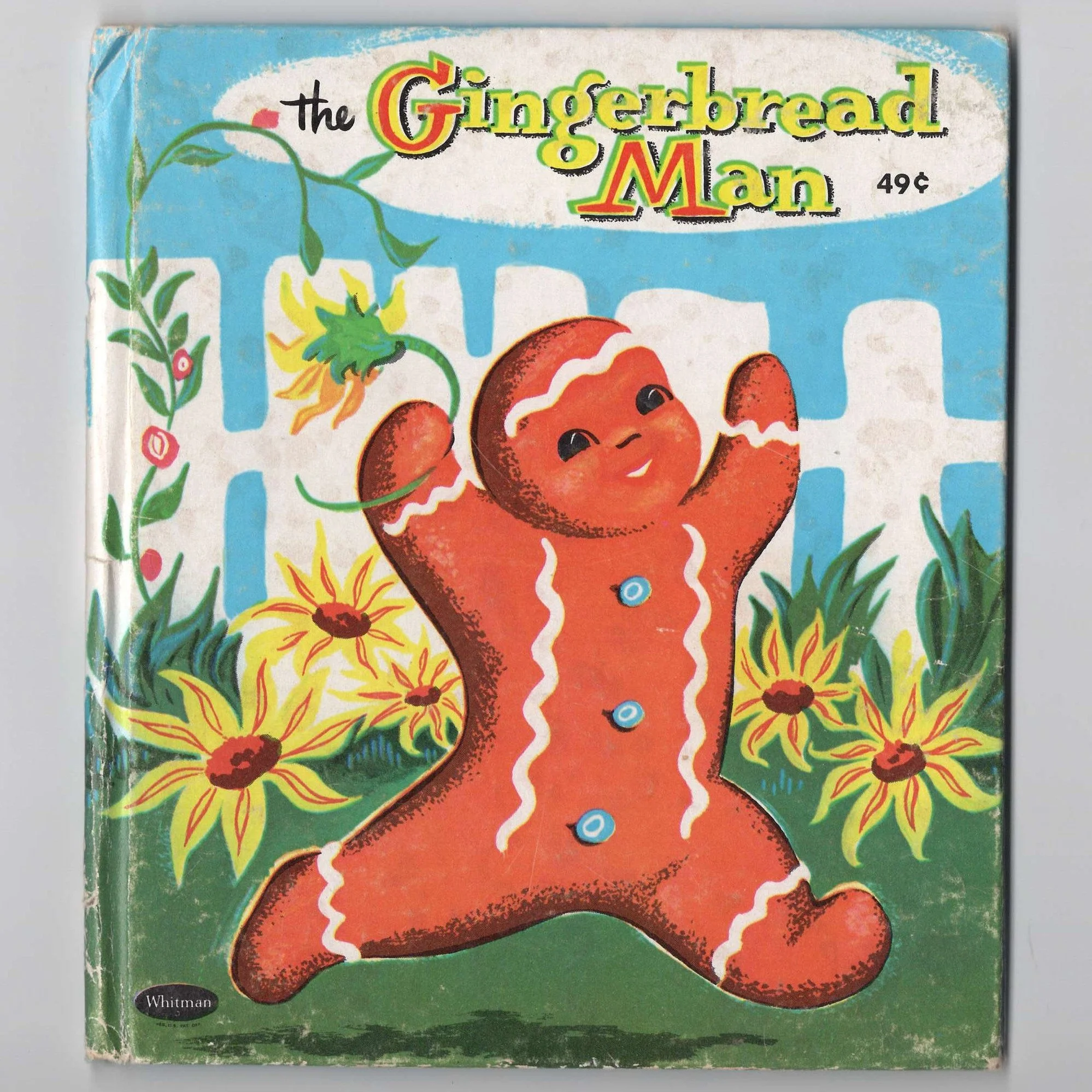
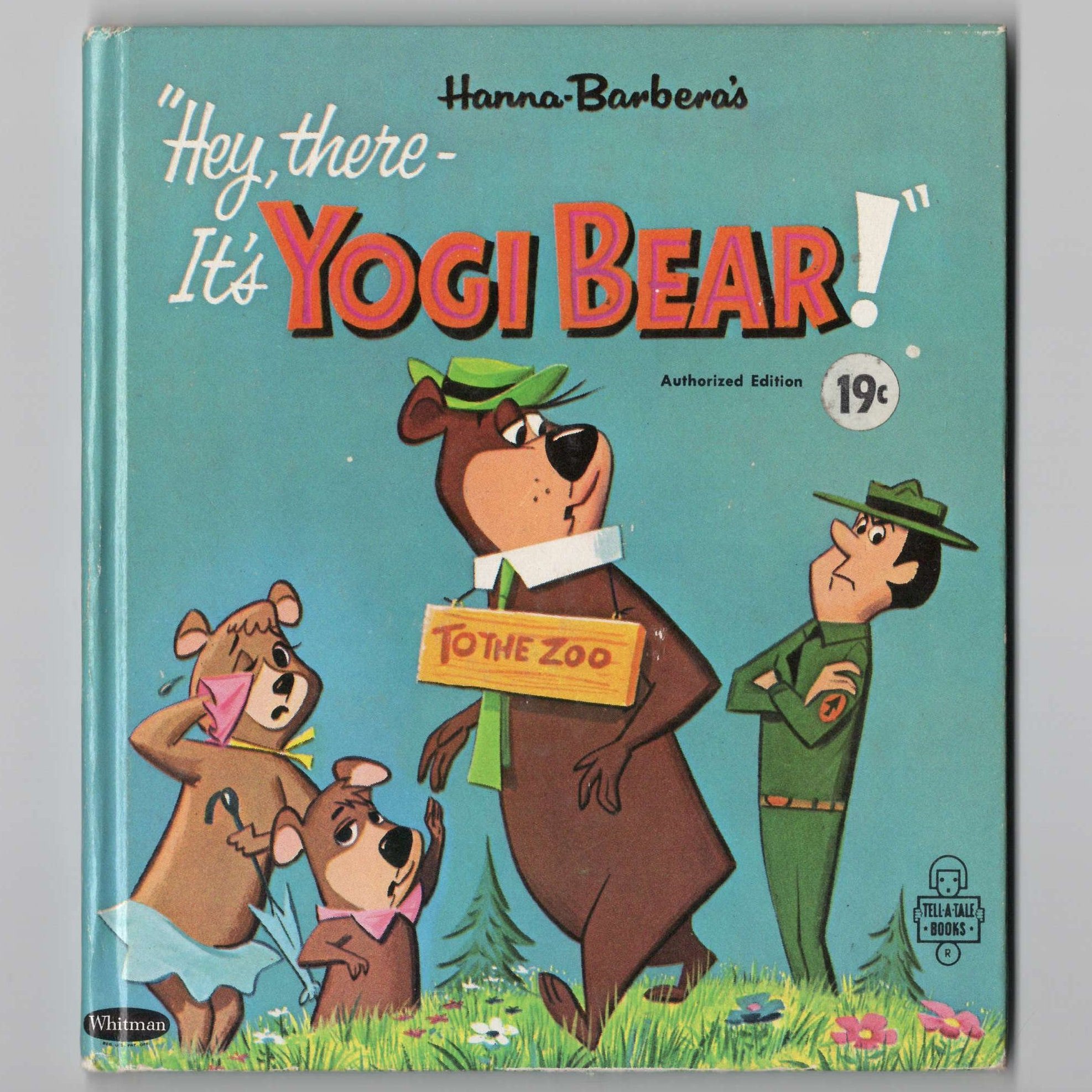
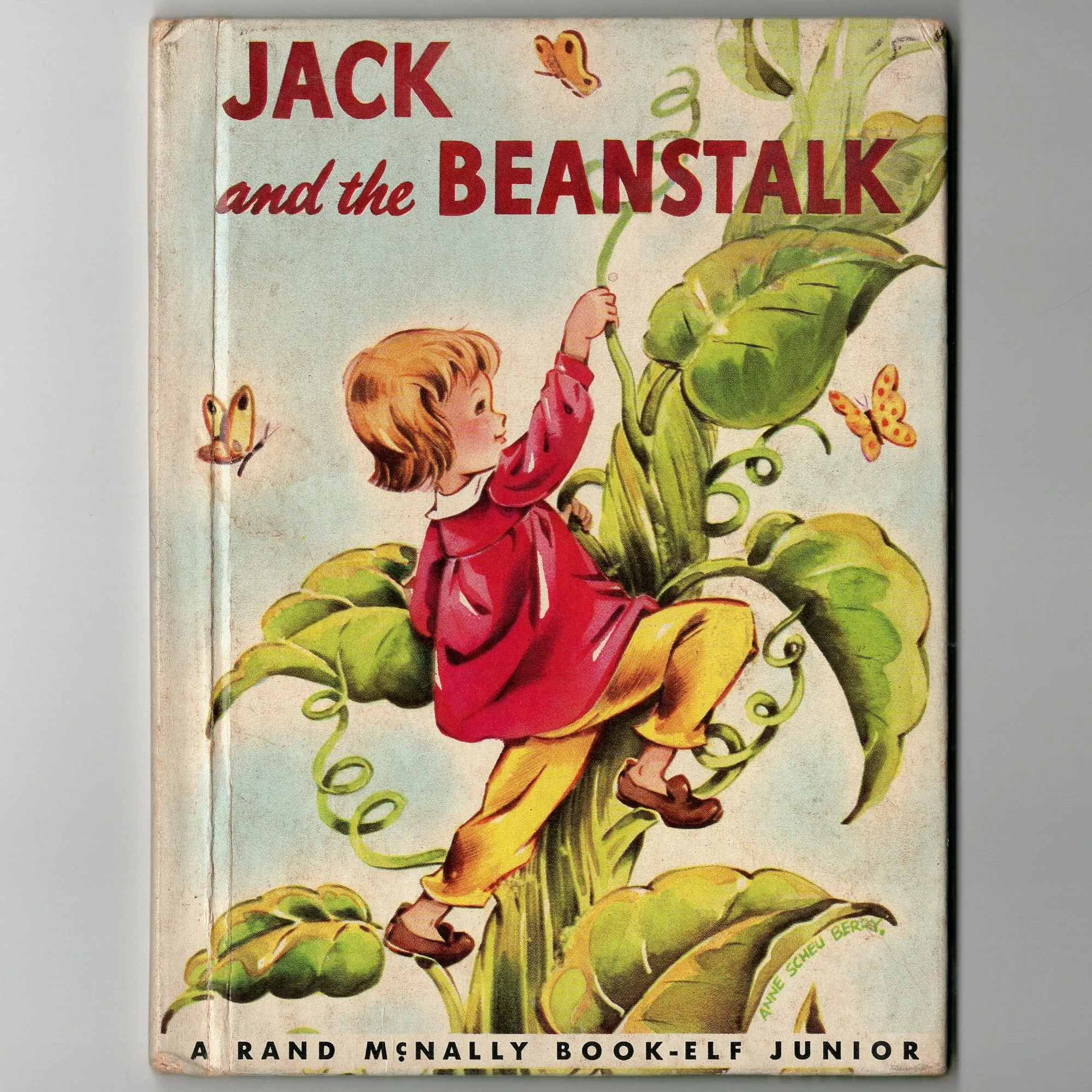
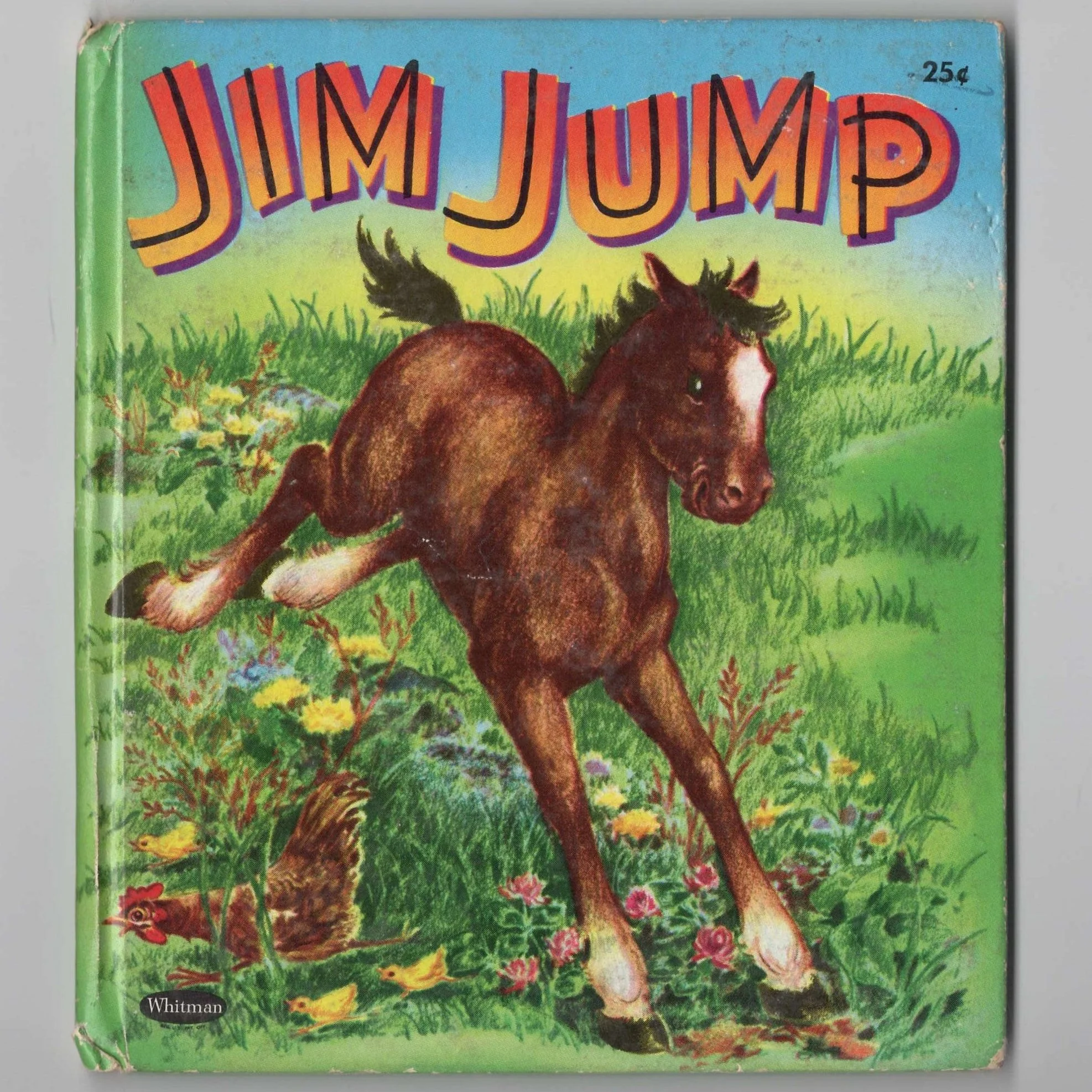
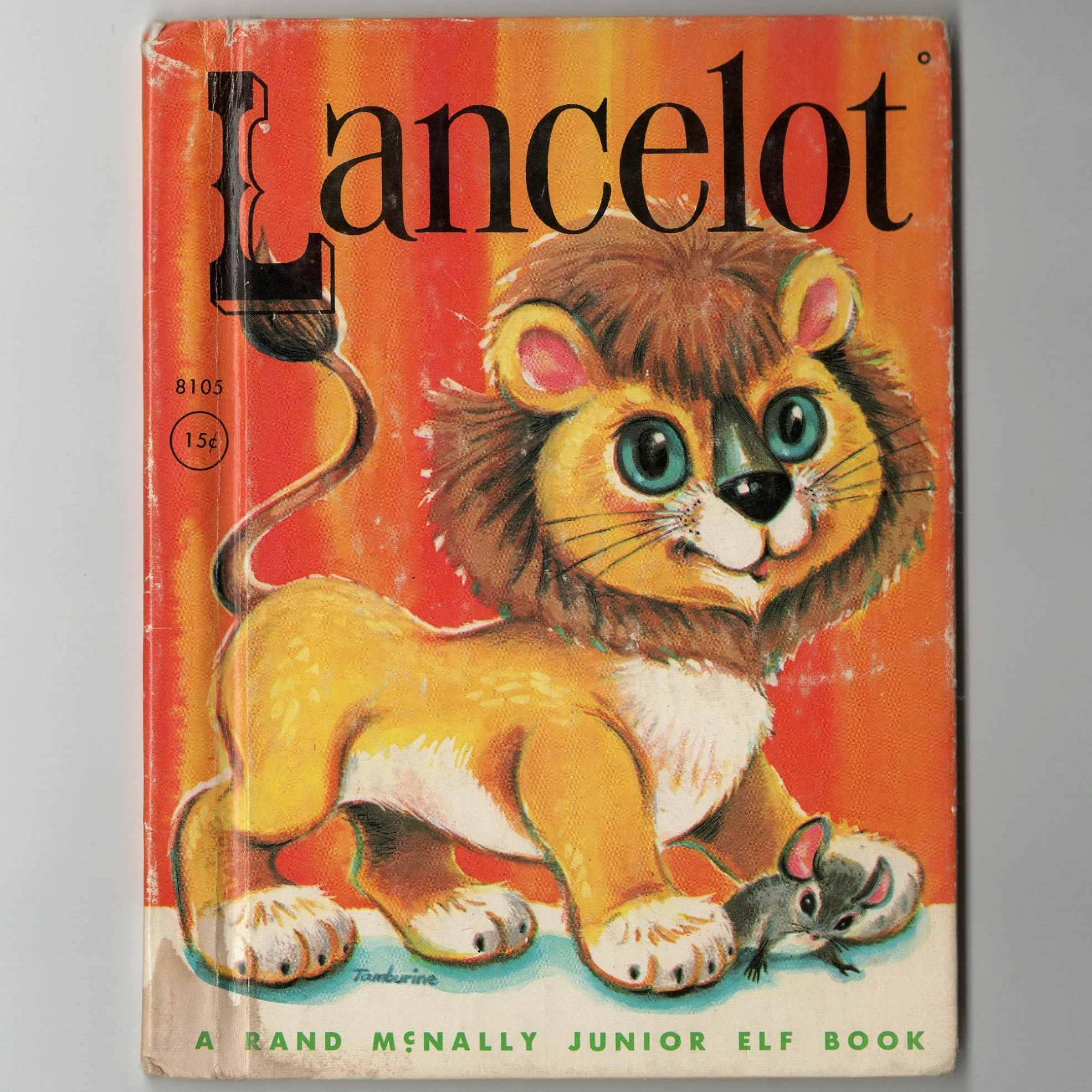
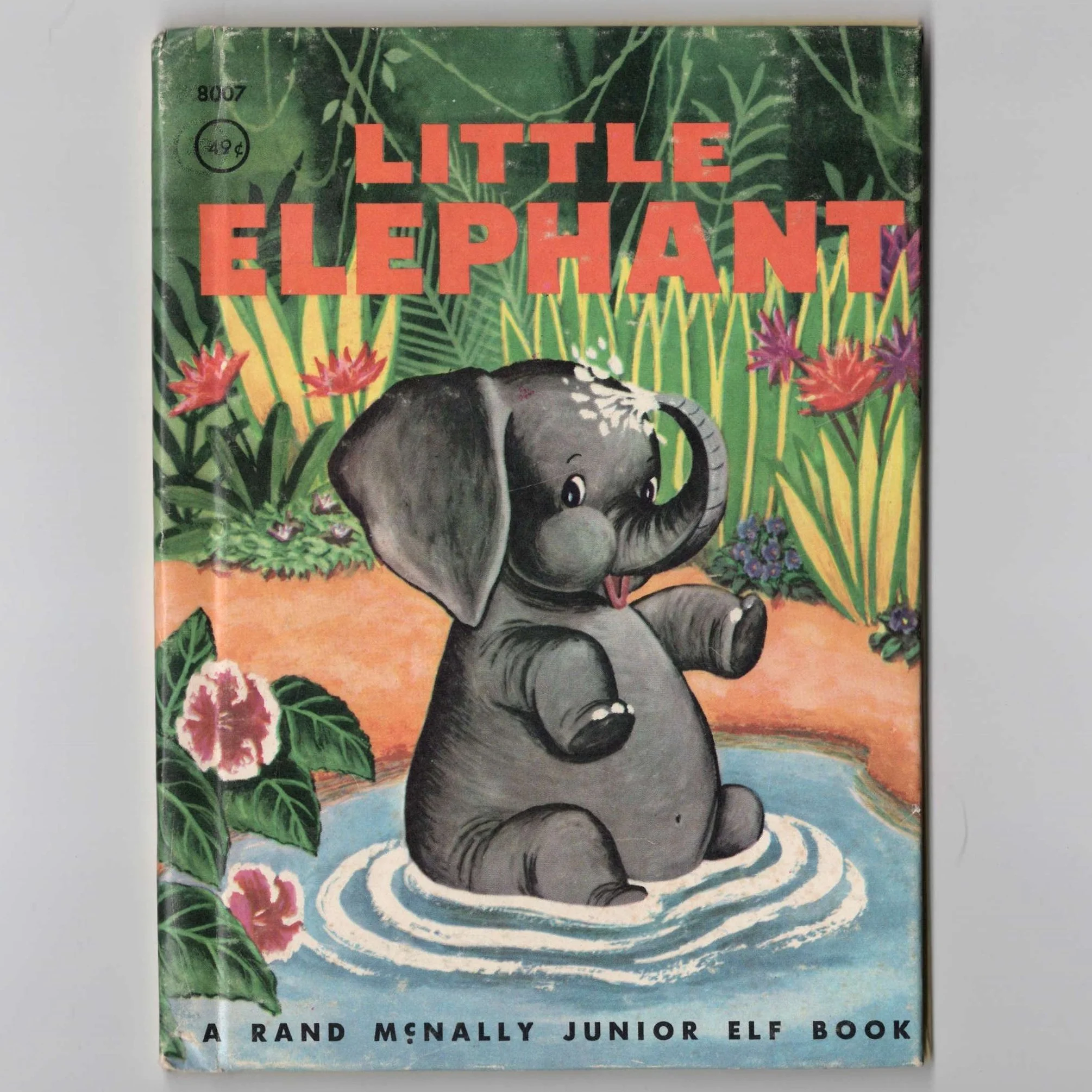
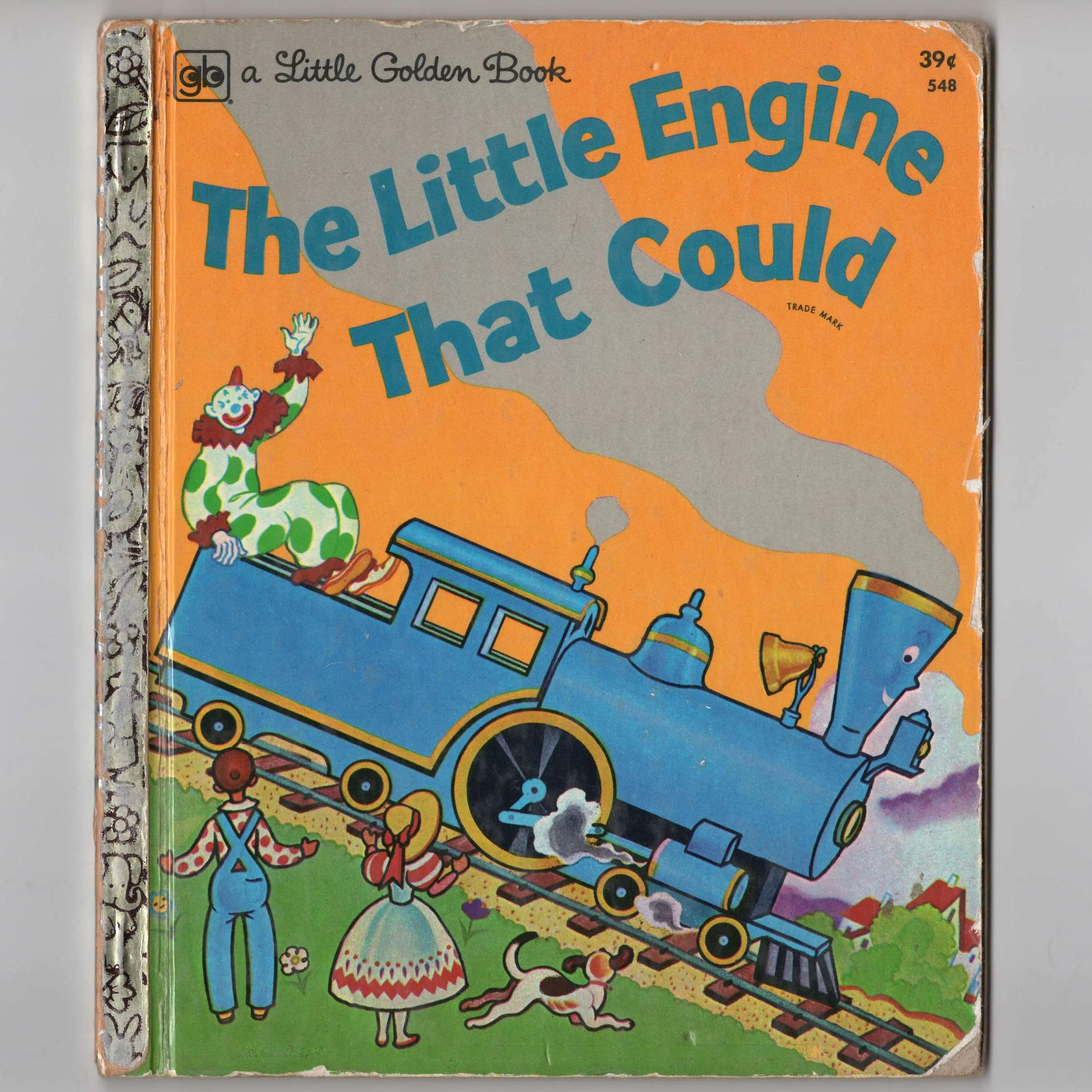
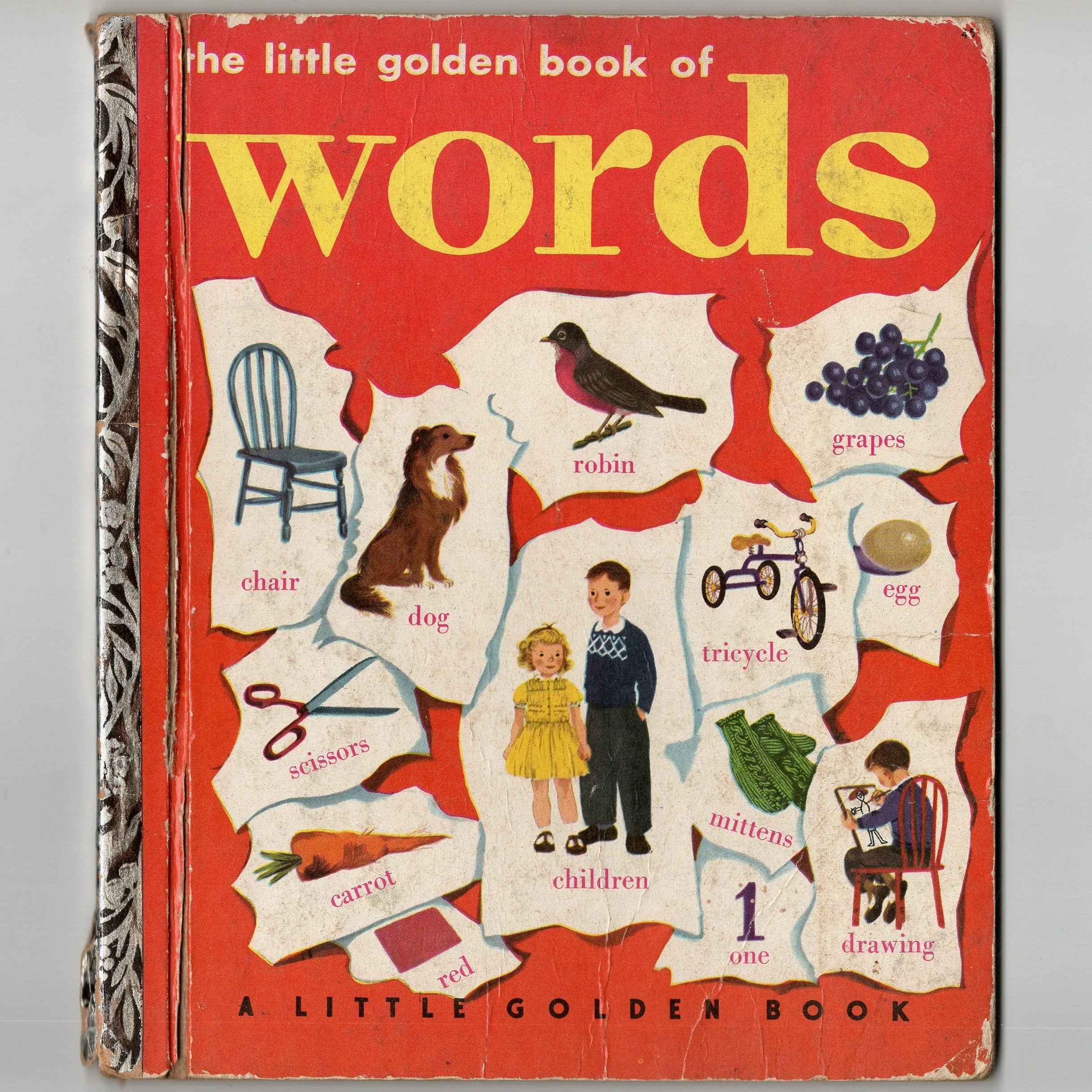
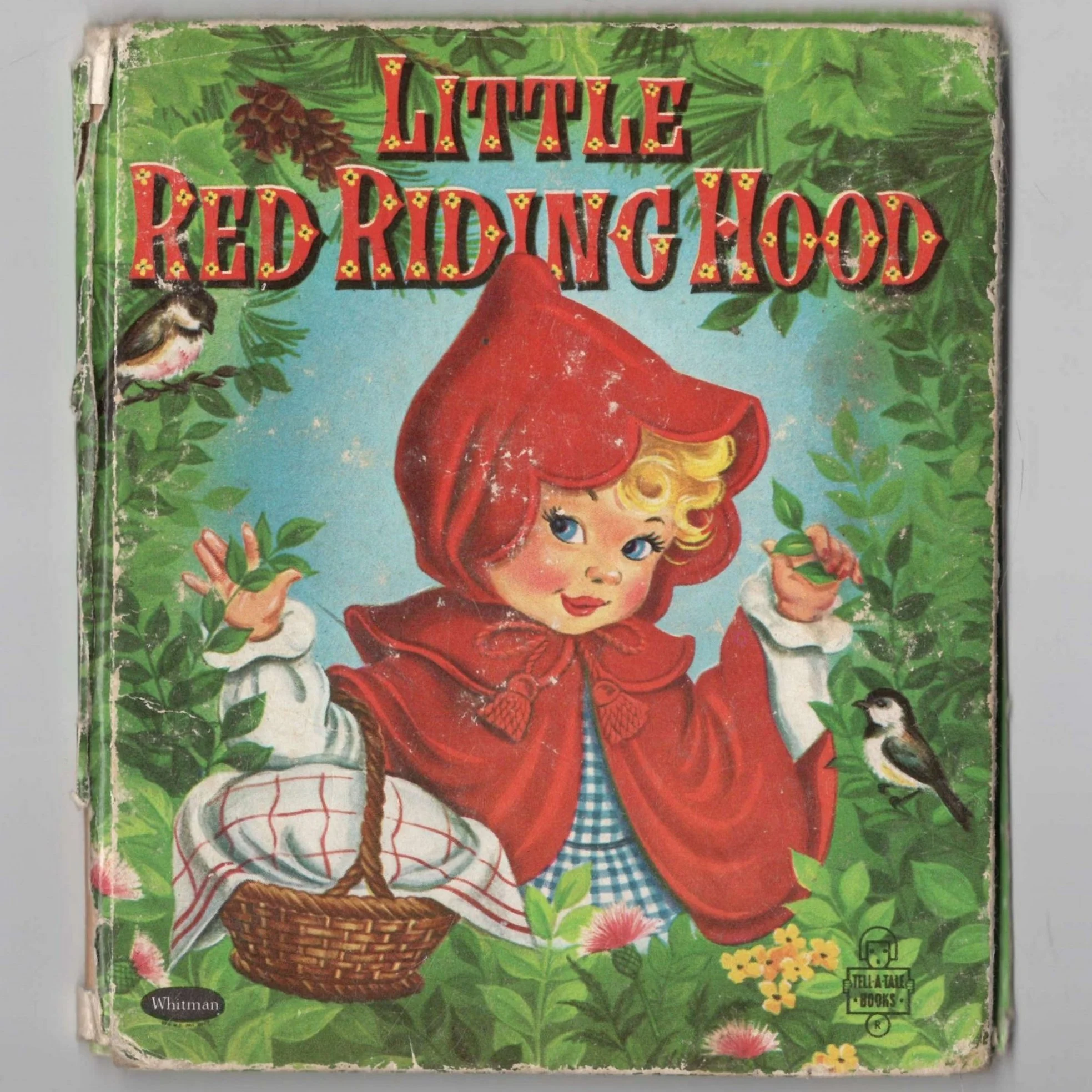
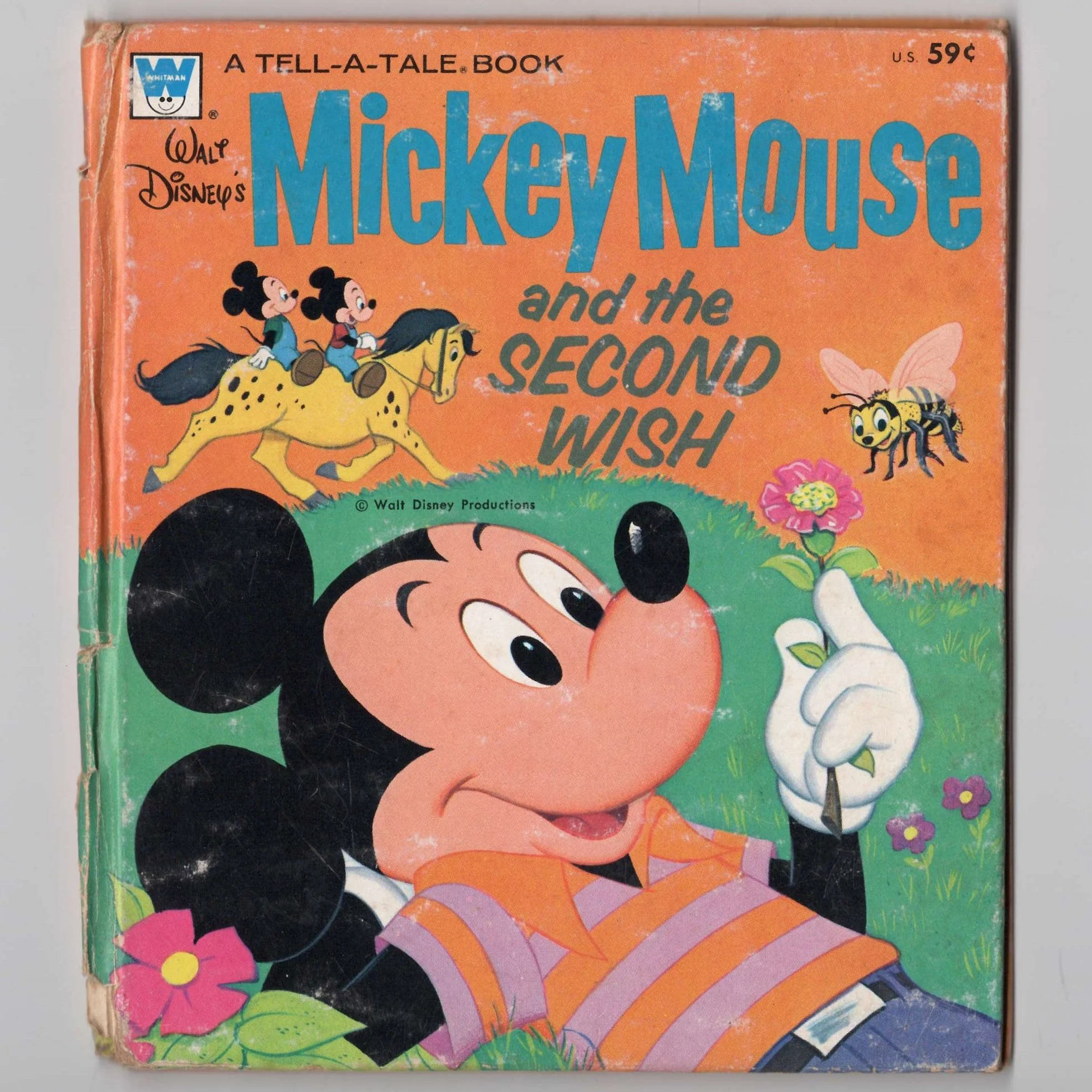
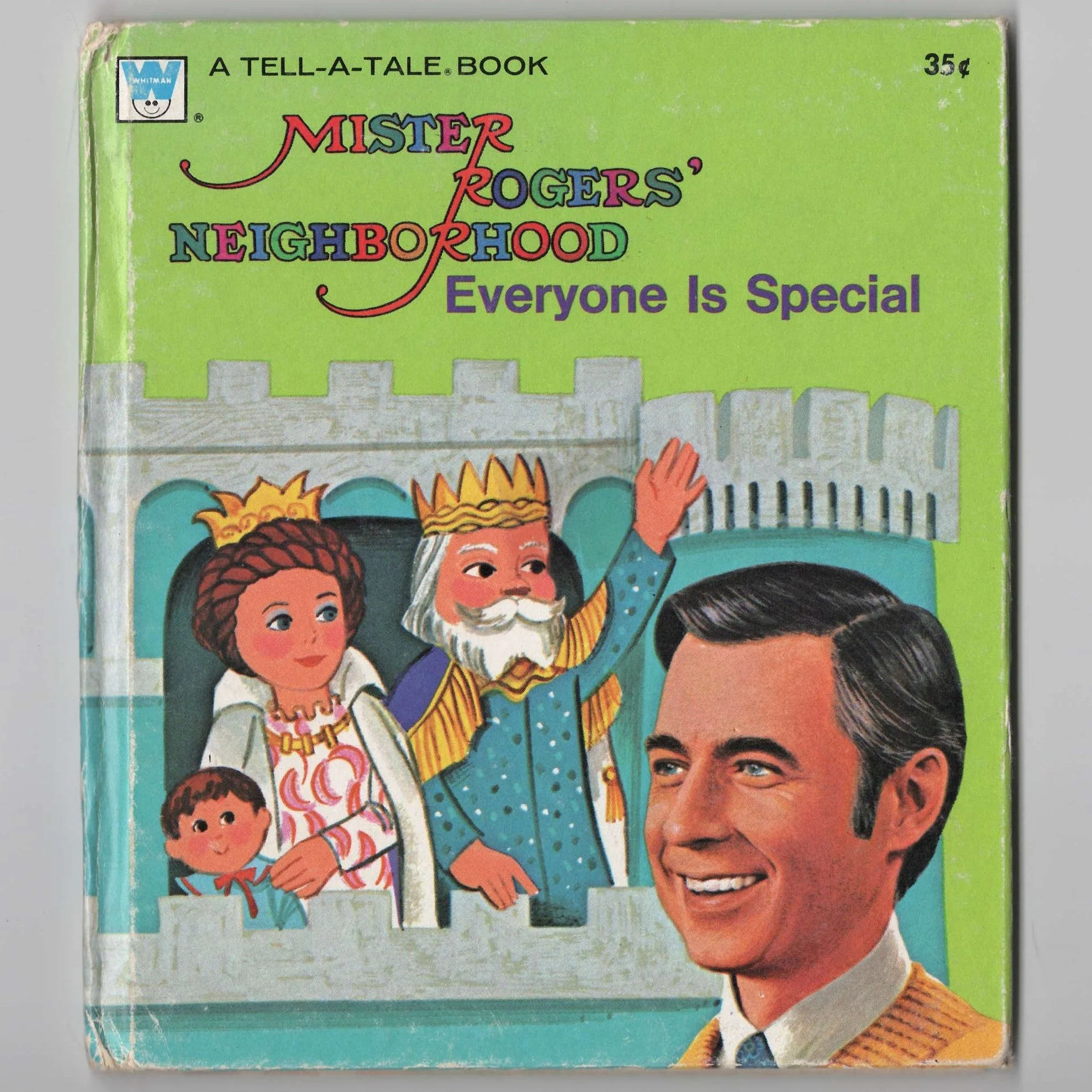
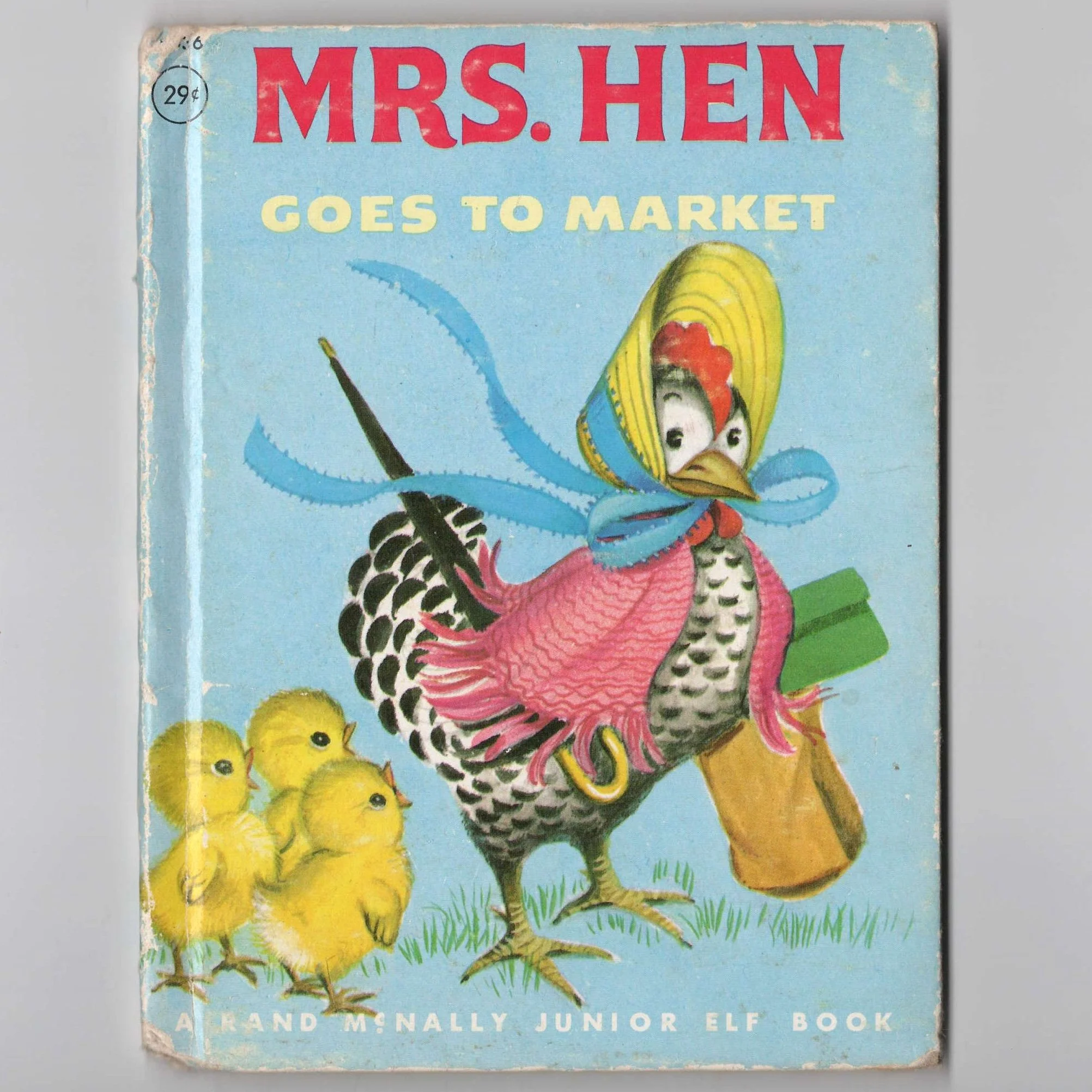
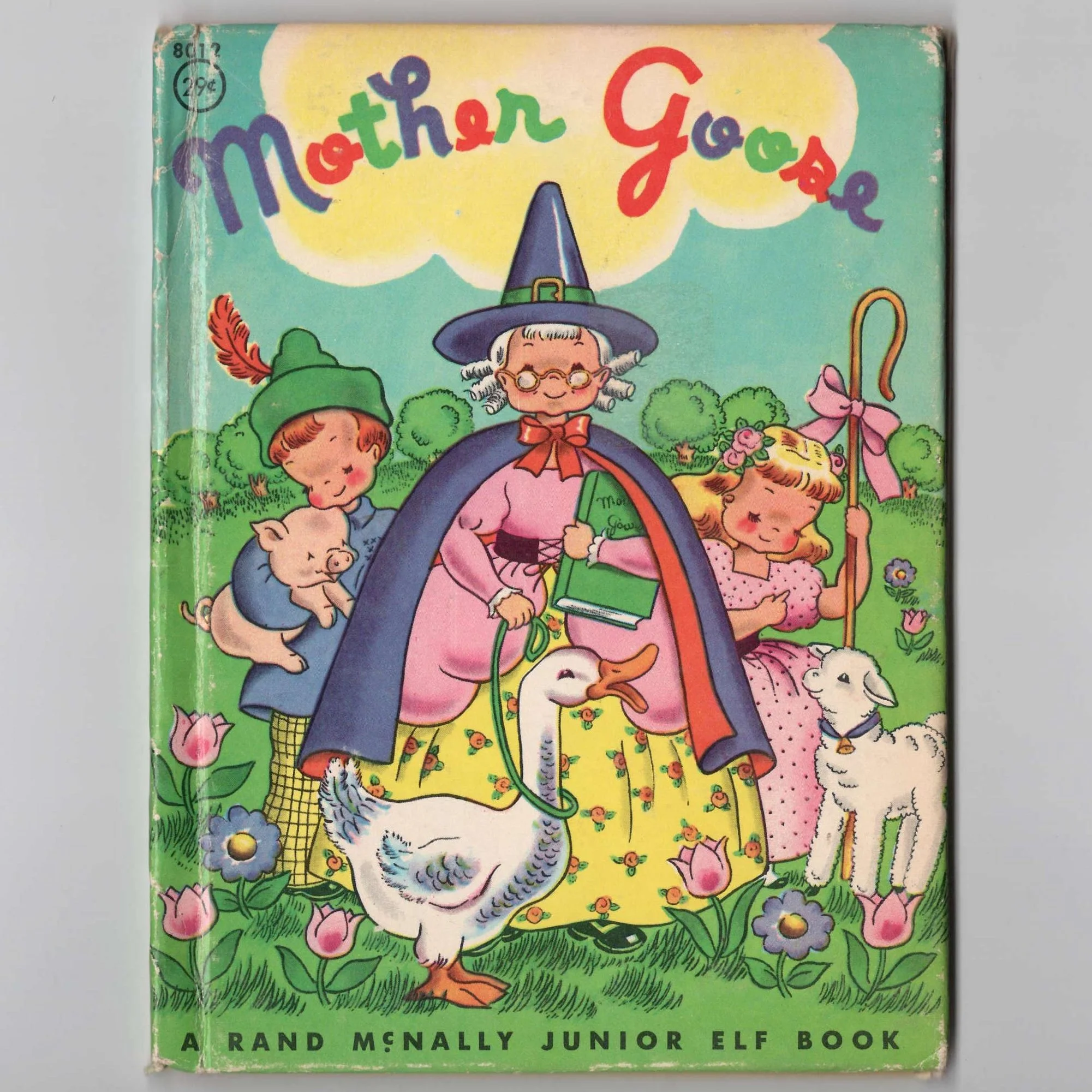
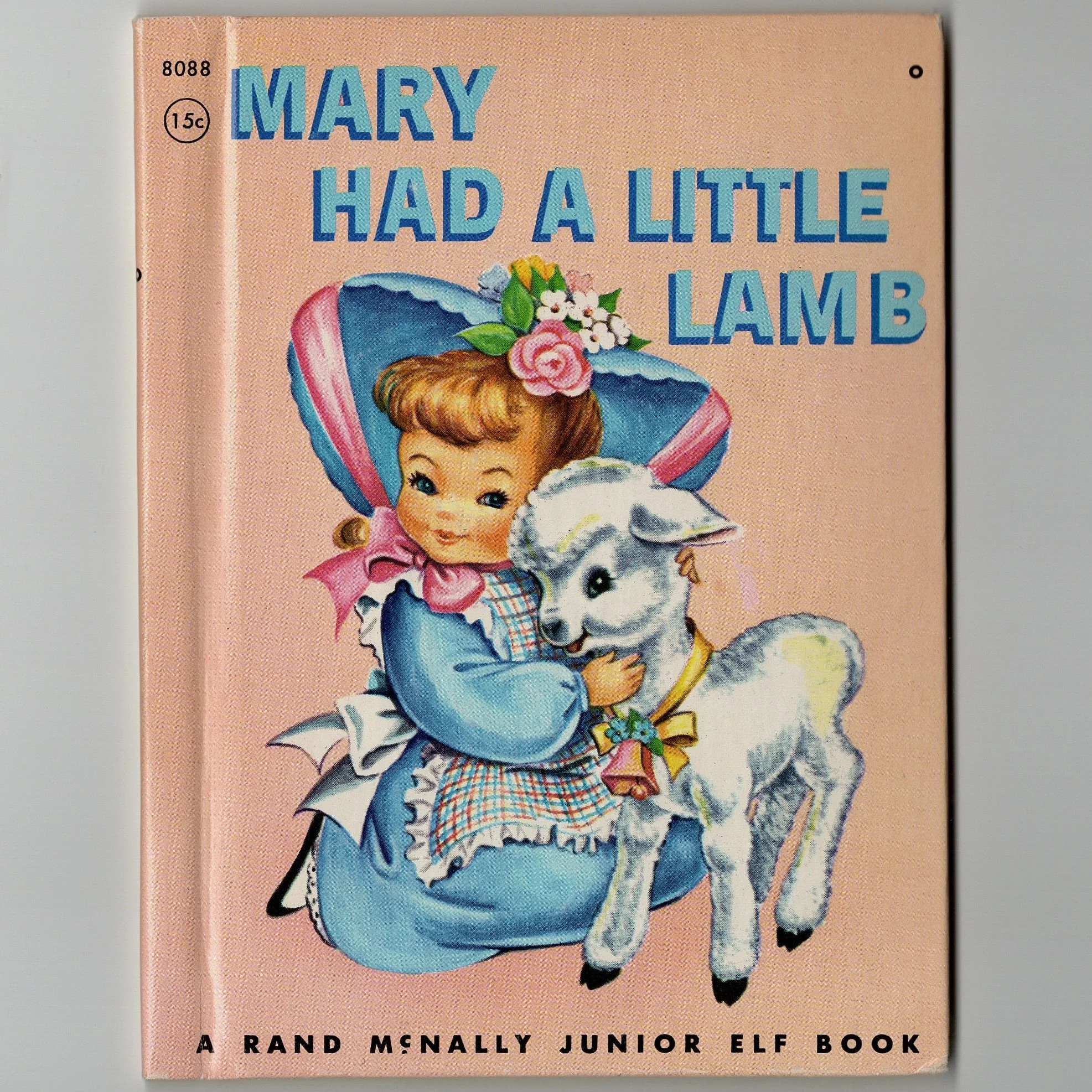
Whitman Publishing entered this growing market by introducing Tell-A-Tale books in 1948, followed by the sturdier Junior Elf line in 1949. In 1950, Little Golden Books added Disney licensed titles, dramatically increasing sales and cementing their place in American childhood.
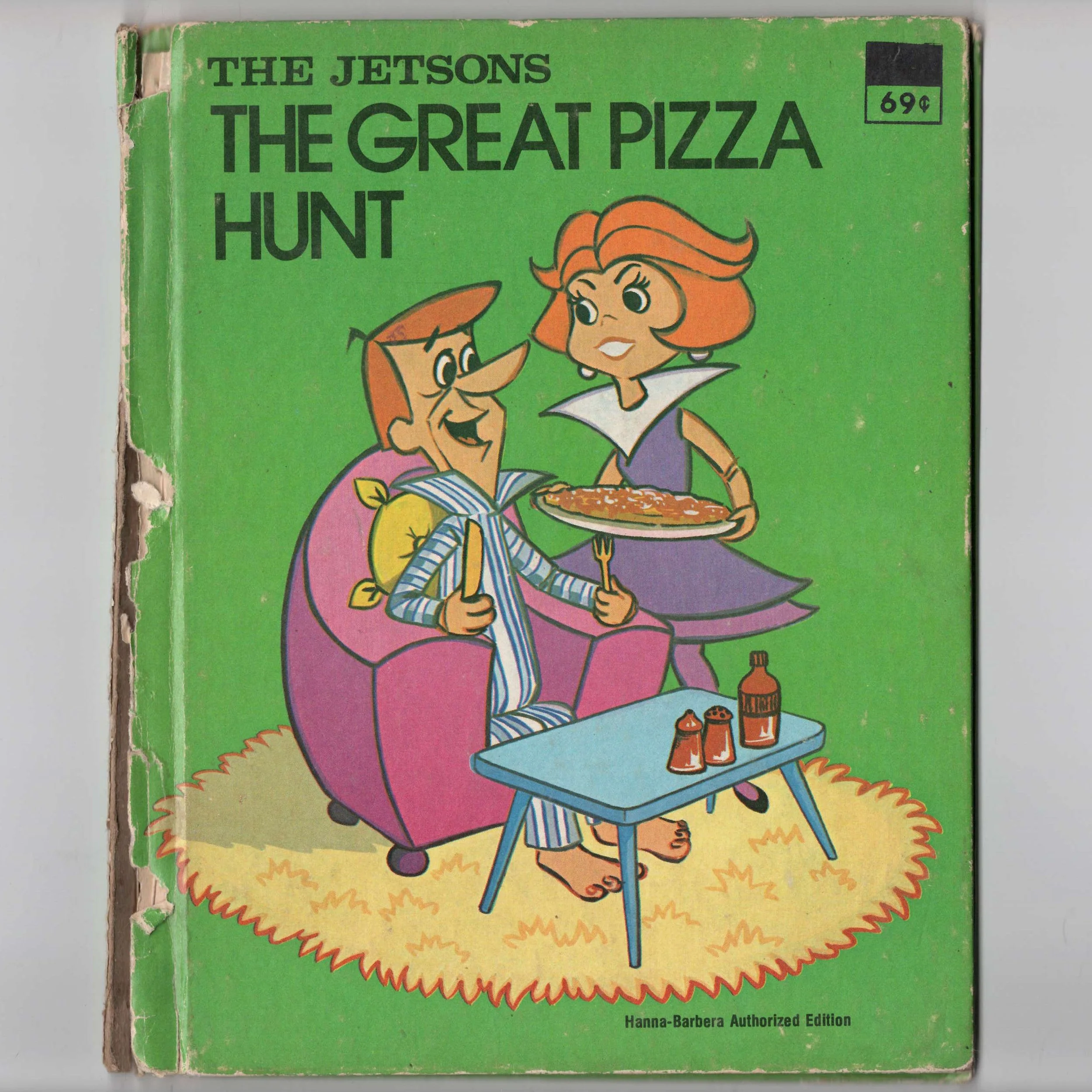
Eloise Wilkin began illustrating for Golden Books in 1952, defining the gentle, idealized child portrait style that became a hallmark of the line. Dr. Seuss expanded the creative possibilities of children’s publishing with Horton Hears a Who in 1954, while Tell-A-Tale and Junior Elf continued to grow their fairy tale and folklore catalogs. Television tie-in books also began appearing during the mid 1950s.
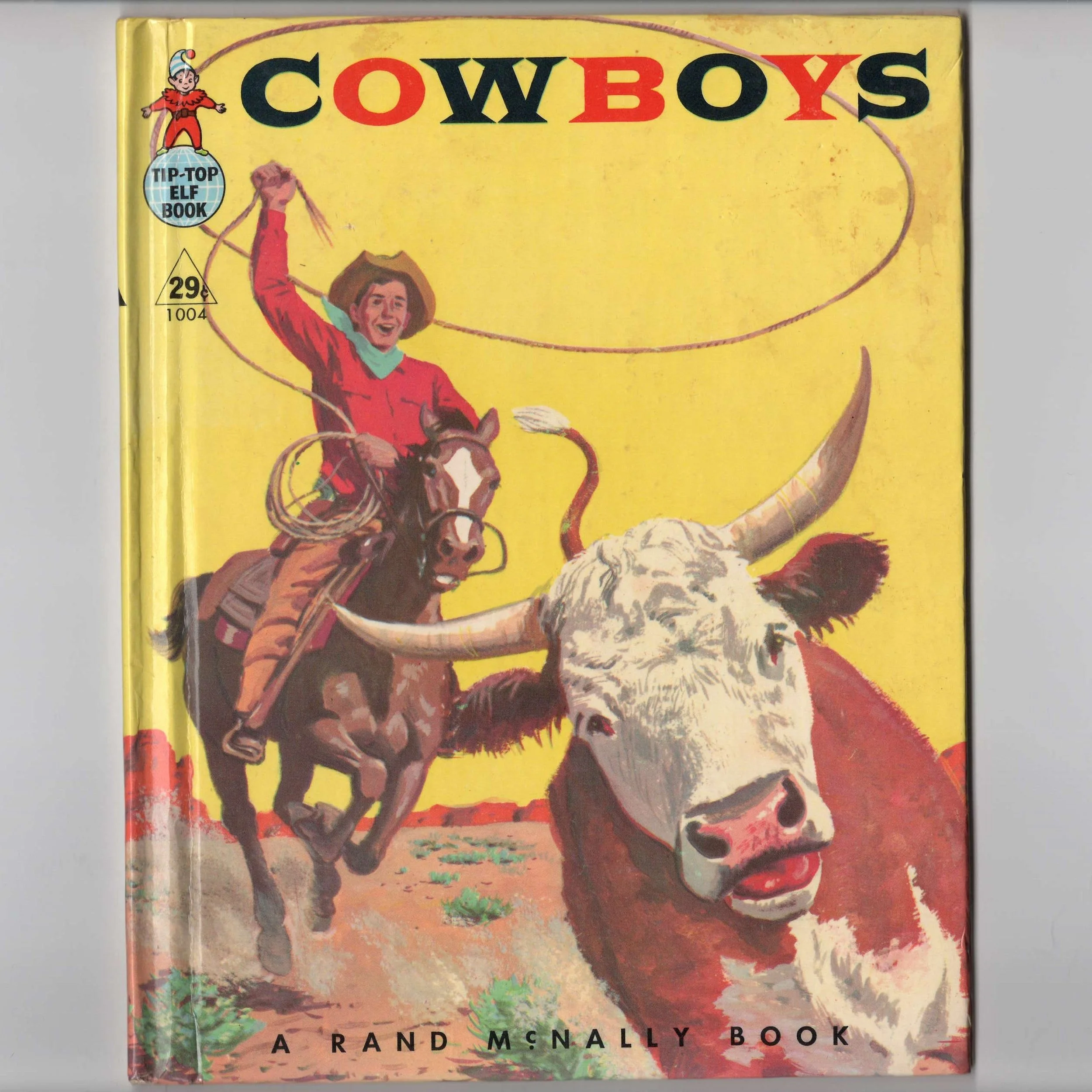
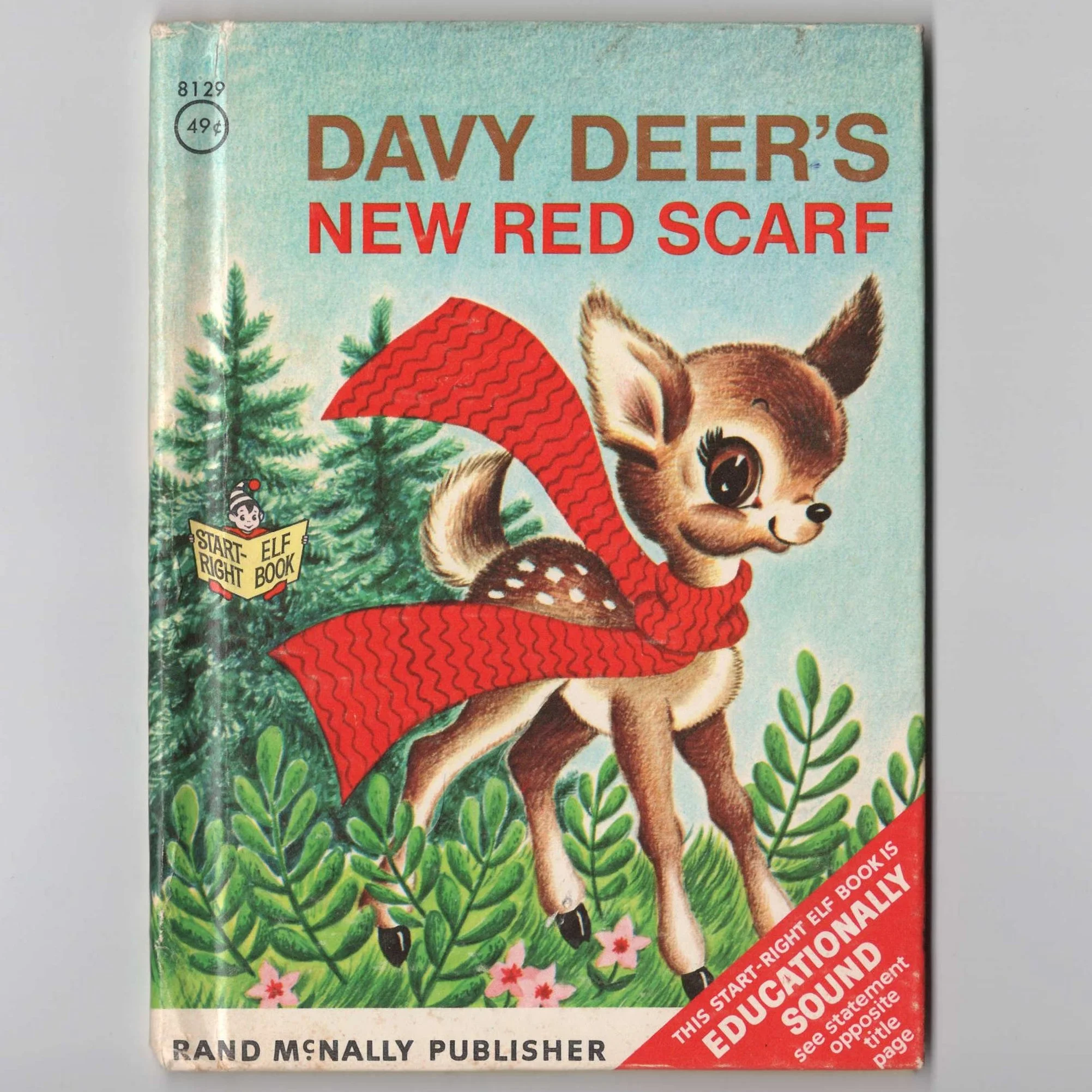
By 1960, Golden Books had surpassed one billion copies printed. In the early 1960s, Whitman gradually phased out the Junior Elf brand as paperback picture books became more common and pricing models shifted. Together, these series established the modern mass market picture book and created many of the collectible classics still sought after today.



https://www.biblio.com/book-collecting/what-to-collect/little-golden-books-collection-and-first-edition-identification/
Authors:
-
A professor of literature and theology, and the author of the famous poem “A Visit from St. Nicholas,” which later became known as the famous “Twas the Night Before Christmas.” The poem was first published anonymously but was later attributed to Moore. Moore’s text greatly contributed to the modern-day Santa Claus story.
-
Also known as Theodor Seuss Geisel, is one of the most beloved children’s book authors of all time.
From The Cat in the Hat to Oh, the Places You’ll Go!, his iconic characters, stories, and art style have had a lasting influence on generations of children and adults. The books he wrote and illustrated under the name Dr. Seuss (along with others he wrote but did not illustrate, under the pseudonyms Theo. LeSieg and Rosetta Stone) have been published in fifty languages. Hundreds of millions of copies have found their way into homes and hearts around the world.
Dr. Seuss’s long list of awards includes Caldecott Honors, the Pulitzer Prize, and eight honorary doctorates. Works based on his original stories have won three Oscars, three Emmys, three Grammys, and a Peabody.
-
Born in Odense, Denmark. The son of a poor shoemaker, who nonetheless was a great reader, made a toy theater for his son and taught him to notice every natural wonder as they walked in the woods together on Sundays. His father died when he was 11, and it wasn’t until six years later that, with the help of a patron, he finally went to a state secondary school attended by much younger children. There he suffered at the hands of a cruel headmaster, but he acquired an education and was determined to be a writer.
He published his first novel and his first fairy tales in 1835; thereafter he wrote over 150 more of these stories which have become classics in many languages. Although he originally addressed his fairy tales to children (and some would maintain he had a streak of childhood in his nature) he insisted they were “for all ages,” and the gentleness and humor that are their characteristics are recognized by everyone.
-
One of the world’s best-loved children’s authors EVER! Generations of children all over the world have grown up spending hours poring over his books filled with all the colorful details of their daily lives. No other illustrator has shown such a lively interest in the words and concepts of early childhood. (Whenever he was asked how old he was, Scarry would always put up one hand and laugh, saying, “five!”)
Born in 1919, Richard Scarry was raised and educated in Boston, Massachusetts. After five years of drawing maps and designing graphics for the US Army, he moved to New York to pursue a career in commercial art. But after showing his portfolio to one of the original editors at Golden Books, he found the perfect home for his work. The assignments first given to Scarry tended to be Little Golden Books that featured popular characters of the day, such as Winky Dink, Rudolph the Red-Nosed Reindeer, and Smokey the Bear. Eventually, Scarry created his own original characters, such as Lowly Worm and Huckle Cat. But first came Nicholas, a young rabbit clad in red overalls, for the now-iconic classic I Am a Bunny
In his extraordinary career, Richard Scarry illustrated more than 150 books, many of which have never been out of print. His books have sold over 100 million copies around the world and are currently published in more than twenty languages. Richard Scarry Jr., also an illustrator, carries on his father’s work today under the name of Huck Scarry. Richard Scarry passed away at his home in Gstaad, Switzerland in 1994. He was posthumously awarded a Lifetime Achievement Award from the Society of Illustrators in 2012.
Illustrators:
-
With her husband, Martin, she illustrated more than fifty books for children, including Our Animal Friends at Maple Hill Farm and numerous Little Golden Books, such as The Color Kittens and Katie the Kitten.
They won the Caldecott Medal for The Glorious Fight in 1984, and Alice won a Caldecott Honor in 1982 for A Visit to William Blake’s Inn.
-
A commercial artist who made her mark in fashion advertising and children’s books. She was an art editor of Ladies’ Home Journal, and often painted its magazine covers.
She illustrated many iconic Little Golden Books, including A Day at the Seashore, Heidi, The Night Before Christmas, Doctor Dan the Bandage Man, Christmas Carols, and Nurse Nancy.
-
Illustrated dozens of classic Golden Books in her long career, including The Christmas Story, Wonders of Nature, Baby Listens, and We Help Mommy.
Famous for her beautifully detailed paintings of the natural world and of cherubic children, she helped make Golden Books an icon. Her Golden Books Prayers for Children and My Little Golden Book About God have never been out of print.
-
Born in Mitava, Russia, he studied for two years at the Moscow Fine Arts Academy before serving in the Russian army during World War I, and began illustrating children’s books for the Ukrainian Republic during the Russian Revolution.
He moved to the US in 1941, where he produced the works for which he is best known and loved, including the timeless Little Golden Book The Three Bears. In 1956, he received the Caldecott Medal for Frog Went A-Courtin’.
-
Known for his realistic yet highly expressive animal characters. He brought to life some of the best-loved children’s books of the twentieth century, including Laura Ingalls Wilder’s Little House series and E. B. White’s Charlotte’s Web and Stuart Little. Williams illustrated many timeless Golden Books, including Baby Farm Animals, Mister Dog, and The Friendly Book.
-
A well-known illustrator in his native Sweden before immigrating to the United States in 1920. He illustrated many Golden Books, beginning with The Poky Little Puppy. One of the original twelve Little Golden Books published in 1942, The Poky Little Puppy went on to become the bestselling picture book of all time. Other iconic Little Golden Books illustrated by Tenggren include The Saggy Baggy Elephant, The Shy Little Kitten, and Tawny Scrawny Lion.
In the late 1930s, Tenggren worked for the Disney Studio, providing concept artwork (created to inspire and guide animators) for various characters and scenes in Bambi, The Old Mill, Snow White and the Seven Dwarfs, Pinocchio, and Fantasia.
-
With his wife, Alice, he illustrated more than fifty books for children, including Our Animal Friends at Maple Hill Farm and numerous Little Golden Books, such as The Color Kittens and Katie the Kitten.
In 1984, they won the Caldecott Medal for The Glorious Fight, which they wrote and illustrated together.
-
A prominent concept artist for the Walt Disney Company and worked on such films as Alice in Wonderland, Peter Pan, Song of the South, and Cinderella.
Several children’s books she illustrated in the 1950s remain in print today, including I Can Fly by Ruth Krauss and Baby’s House by Gelolo McHugh.
In 1991 she was posthumously inducted into the Disney Legends hall of fame.
-
He brought to life two of the most popular Little Golden Book characters, beloved by generations: Scuffy the Tugboat and Tootle.
Born in Budapest, Hungary, he received his formal art schooling in Vienna at age 20. Gergely designed stage sets and marionettes and worked as an illustrator and cartoonist for central European newspapers. In 1939, Gergely immigrated to the United States, settling in New York. His long association with Golden Books began in 1942—the year of its launch—and continued as long as he lived.
In 1955, Gergely received a Caldecott Honor for Wheel on the Chimney, written by Margaret Wise Brown, author of Goodnight Moon. He illustrated more than seventy Golden Books, including The Great Big Fire Engine Book, The Taxi That Hurried, Daddies, The Merry Shipwreck, Seven Little Postmen, The Happy Man and His Dump Truck, Animal Orchestra, and Animal Gym.
Additional information: Little Golden Books, Penguin Random House
- Alberta Robison
- Animals
- Anne Scheu Berry
- Bears
- Ben D. Williams
- Betty Ren Wright
- Birds
- Casper
- Chickens
- Christmas
- Circus
- Clement C. Moore
- Corinne Malvern
- Counting
- Cowboy
- Daniel Wilcox
- Deer
- Dogs
- DuckTales
- Easter
- Elephants
- Ernie
- Fairytale
- Farm
- Felix the Cat
- First Edition
- Florence Sarah Winship
- Folktale
- Forest
- Frank McSavage
- Gandy Goose
- George Wheeler
- Gingerbread Man
- Gustaf Tenggren
- Hanna-Barbera
- Hans Christian Andersen
- Harvey Cartoons
- Helen Adler
- Horses
- Irma Wilde
- Jack and Louise Myers
- Jane Flory
- Jane Ike
- Jim Henson
- Joan Potter Elwart
- Junior Elf
- Marjorie Barrows
- Mickey Mouse
- Mister Rogers
- Monkeys
- Mother Goose
- Muppets
- Nancy Hoag
- Night Before Christmas
- Nursery Rhymes
- Parakeet
- Pizza
- Princess
- Puppy
- Rabbits
- Santa
- Sari
- Sesame Street
- Sherlock Hemlock
- Simon and Schuster
- Terrytoons
- The Jetsons
- The Myers
- Tip-Top Elf
- Tony Brice
- Trains
- Turtles
- Walt Disney
- Western
- Woodland
- Yogi Bear
- Zillah Lesko
- Zoo
Excellent 1947 first edition.
This early reader anthology features three short, engaging animal stories:
“The Open Gate” and “Out of the Nest” were adapted from Mother Stories by Maud Lindsay, by special arrangement with the publishers, the Platt & Munk Co. Inc.
“How the Rabbit Got Its Cottontail” was adapted from Worthwhile Stories for Every Day by Lawton B. Evans, published by Milton Bradley Co.
The book is in great condition, with only minor shelf wear. The original owner's name is lightly written in pencil on the first page and can be easily erased. There are no other markings, and all pages are clean and intact with no tears. The exterior spine has a small cosmetic tear at the back, but the binding remains tight and secure.
Adapted by Flora L. Carpenter
Illustrated by Dorothy Grider
Rand McNally Junior Elf Book #8031